 BUILDING EXPANSION JOINTS
Bridge, Tunnel & Seismic · Omega Cap Seal
Dseal Omega Seal
Dseal Omega Seal is an Ω-shaped elastomeric expansion joint and cap seal that withstands high water pressure together with very large, multi-directional movement — for railway and long-span bridges, immersed and bored tunnels, aqueducts and ship lifts.
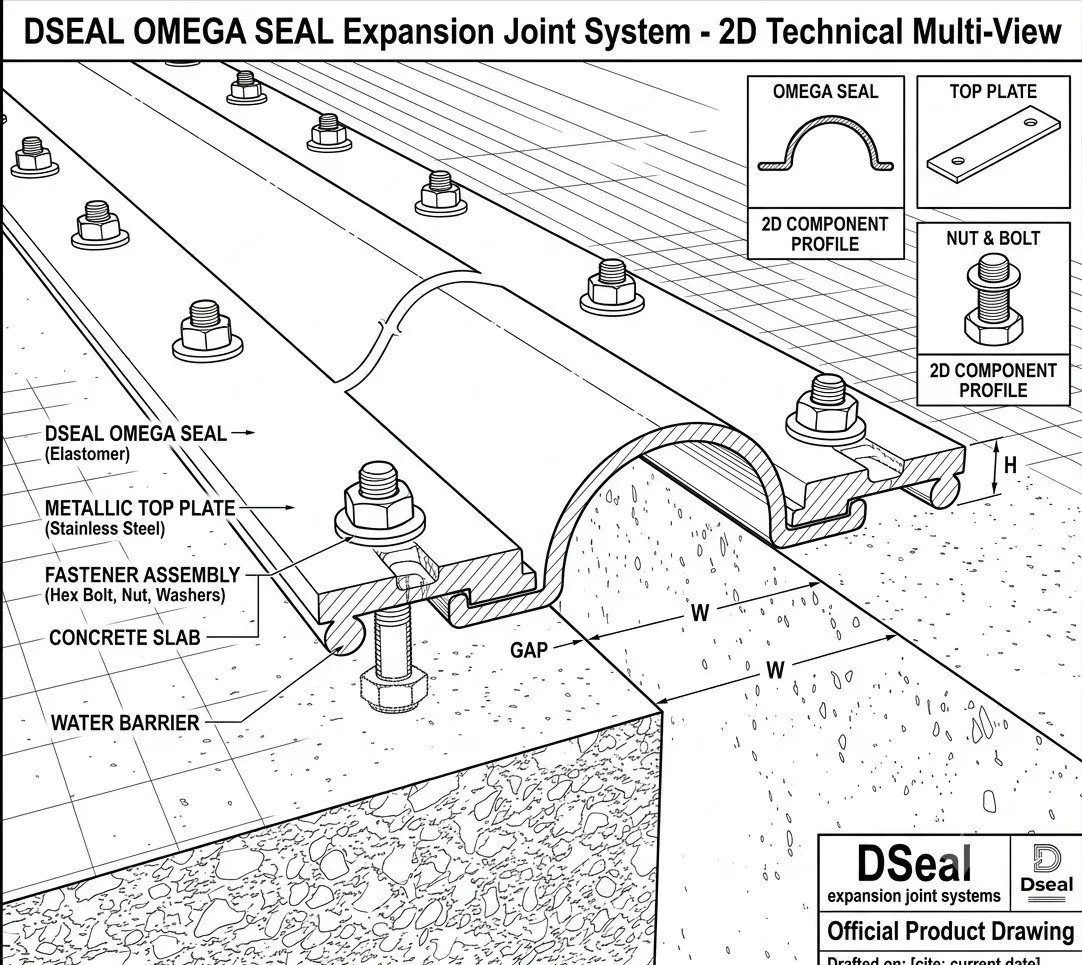
Click image to zoom · 2D blueprint & 3D render
Dseal Omega Seal is a heavy-duty, omega-shaped elastomeric expansion joint and cap seal engineered for structures that must absorb very large movement in every direction while staying completely watertight. Originally developed as a secondary seal for immersed tunnels working alongside the primary tunnel gasket, the omega profile is now used across bored tunnels, aqueducts, ship lifts and railway and long-span road bridges.
The seal is compression-moulded from chloroprene (neoprene) elastomer as a single vulcanized unit, giving it the strength to withstand high water pressure combined with large axial, radial and rotational movement between the two bridged structures. It is the ideal solution for joints where large gap movements are expected from temperature change, settlement or seismic action. For the highest water heads the omega can be supplied fabric-reinforced with load-bearing plies and a rubber cover, and force-compression curves and elongation limits can be calculated for each project.
On railway and highway bridge decks the Omega Seal is installed as a cap seal: the omega profile bridges the deck gap and is clamped down each side by hot-dip galvanized steel plates and rigid anchor bolts, forming a durable, drained, watertight running joint.
Key Benefits
- Withstands high water pressure combined with very large, multi-directional movement
- Accommodates axial, radial and rotational movement between the bridged structures
- Ideal for large gap movements caused by temperature, settlement or seismic action
- One-piece compression-moulded chloroprene seal — vulcanized, blemish-free and durable
- Completely watertight — protects the joint and structure from water ingress
- Replaceable cap-seal design clamped by galvanized steel plates and anchor bolts
- Proven across immersed & bored tunnels, aqueducts, ship lifts and bridges
Applications
- Railway and long-span highway bridge decks
- Immersed tunnels — secondary seal working with the primary tunnel gasket
- Bored tunnels and cut-and-cover structures
- Aqueducts, canals and water-retaining structures
- Ship lifts and large hydraulic structures
- Seismic zones and joints with large expected settlement
Features & Construction
- Omega-shaped profile bridges wide joint gaps and flexes in all directions
- Compression-moulded chloroprene (neoprene) elastomer, cast as a single vulcanized unit
- Clamped by hot-dip galvanized steel plates, 80 mm wide x 8 mm thick, with 40 x 20 mm oblong holes
- Rigid anchor bolts, 16 mm dia at 400 mm c/c, set in M35 concrete recesses each side
- Nut tightened and tack-welded on every bolt to lock the assembly
- Built-in 1% surface fall drains water clear of the joint
- High-pressure variant: fabric-reinforced omega with load-bearing plies and rubber cover
Technical Specifications
| Profile | Omega-shaped cap seal |
|---|---|
| Elastomer | Chloroprene (neoprene / CR) |
| Hardness | 63 +/- 5 Shore A |
| Tensile strength | 17 MPa min. |
| Elongation at break | 400% min. |
| Compression set | 35% max. |
| Movement | Very high — axial, radial & rotational |
| Clamping plate | Hot-dip galvanized steel, 80 x 8 mm |
| Anchor bolts | 16 mm dia @ 400 mm c/c, M35 recess |
| Water pressure | High (reinforced variant for max. head) |
Installation Guide
- Form the deck edges to a 1% surface fall so water drains clear of the joint as detailed.
- Set the rigid anchor bolts (16 mm dia at 400 mm c/c) into recesses cast in each deck and fill the recesses with M35 grade concrete.
- Position the Omega cap seal over the gap so the omega profile covers the joint and the flat wings seat perfectly on the deck slab each side.
- Punch the seal wings to suit the oblong holes and place a galvanized steel plate (80 x 80 mm, with a 40 x 20 mm oblong hole) over each wing so the bolt passes through both.
- Tighten the nut on every bolt firmly and tack-weld it to lock the assembly against loosening.
- Inspect the whole installation for correct seating, clamping and drainage before proceeding.
- Lay the wearing coat carefully on each side without disturbing or damaging the seal.
Maintenance & Care
The Omega Seal is a one-piece moulded chloroprene element with excellent resistance to weather, ozone and ageing, so routine upkeep is minimal. Keep the drainage fall and joint clear of silt and debris so water continues to run off freely, and wash the seal with clean water and a neutral detergent.
Periodically inspect the clamping plates, bolts and tack welds — particularly on trafficked bridge decks — and re-tighten or re-seal any that have worked loose. Because the omega is a clamped cap seal, a worn or damaged length can be released and replaced without rebuilding the whole joint.
FAQs
Omega Seal — Frequently Asked Questions
What is the Dseal Omega Seal?
It is an omega-shaped elastomeric expansion joint and cap seal moulded from chloroprene rubber. It bridges wide movement joints while staying watertight, and accommodates very large movement in all directions — used on bridges, tunnels, aqueducts and ship lifts.
How much movement does the Omega Seal accommodate?
The omega profile accommodates very high, multi-directional movement — axial, radial and rotational — between the two bridged structures. It is designed for joints where large gap movements are expected from temperature, settlement or seismic action; exact limits depend on the profile and water pressure and are calculated for each project.
Can it withstand water pressure?
Yes. The Omega Seal is designed to withstand high water pressure combined with large movement, which is why it is used as a secondary seal in immersed tunnels and in aqueducts and ship lifts. For the highest heads a fabric-reinforced omega with load-bearing plies is supplied, and force-compression and elongation limits are calculated for the design water head.
What is the seal made from?
It is compression-moulded from chloroprene (neoprene) elastomer as a single vulcanized unit with polished, blemish-free surfaces. Typical physical properties are 63 +/- 5 Shore A hardness, 17 MPa minimum tensile strength, 400% minimum elongation at break and 35% maximum compression set, with controlled change after accelerated ageing.
How is the Omega Seal fixed on a bridge deck?
It is installed as a cap seal: rigid anchor bolts (16 mm dia at 400 mm centres) are set in M35 concrete recesses each side, the omega bridges the gap with its wings flat on the deck, galvanized steel plates (80 x 8 mm, with 40 x 20 mm oblong holes) clamp the wings, and every nut is tightened and tack-welded.
Where is the Omega Seal used?
Railway and long-span highway bridges, immersed and bored tunnels, aqueducts, canals, ship lifts and other water-retaining or seismic structures with large expected movement.
What is the difference between an omega seal and a slab expansion joint?
Omega seals suit high-movement, high-stress, watertight structures — long-span bridges, tunnels and seismic zones — offering very high multi-directional movement plus waterproofing. Slab (strip-seal type) expansion joints suit highways, flyovers and typical bridge decks, with moderate movement focused on load transfer. Dseal supplies both so the joint can be matched to the structure.
Who manufactures the Dseal Omega Seal?
It is manufactured and supplied in India by Dseal Solutions Private Limited. Use the WhatsApp, Call or Email buttons on this page to request pricing, drawings, force-compression data and a project-specific recommendation.
Explore More
Related Products

SeismoMax
Seismic expansion joint system engineered to absorb large, multi-directional movements in earthquake-prone structures.
View Product →
JointShield
Wall-to-wall seismic cover system with an integral water barrier — shield-like protection for large movement joints.
View Product →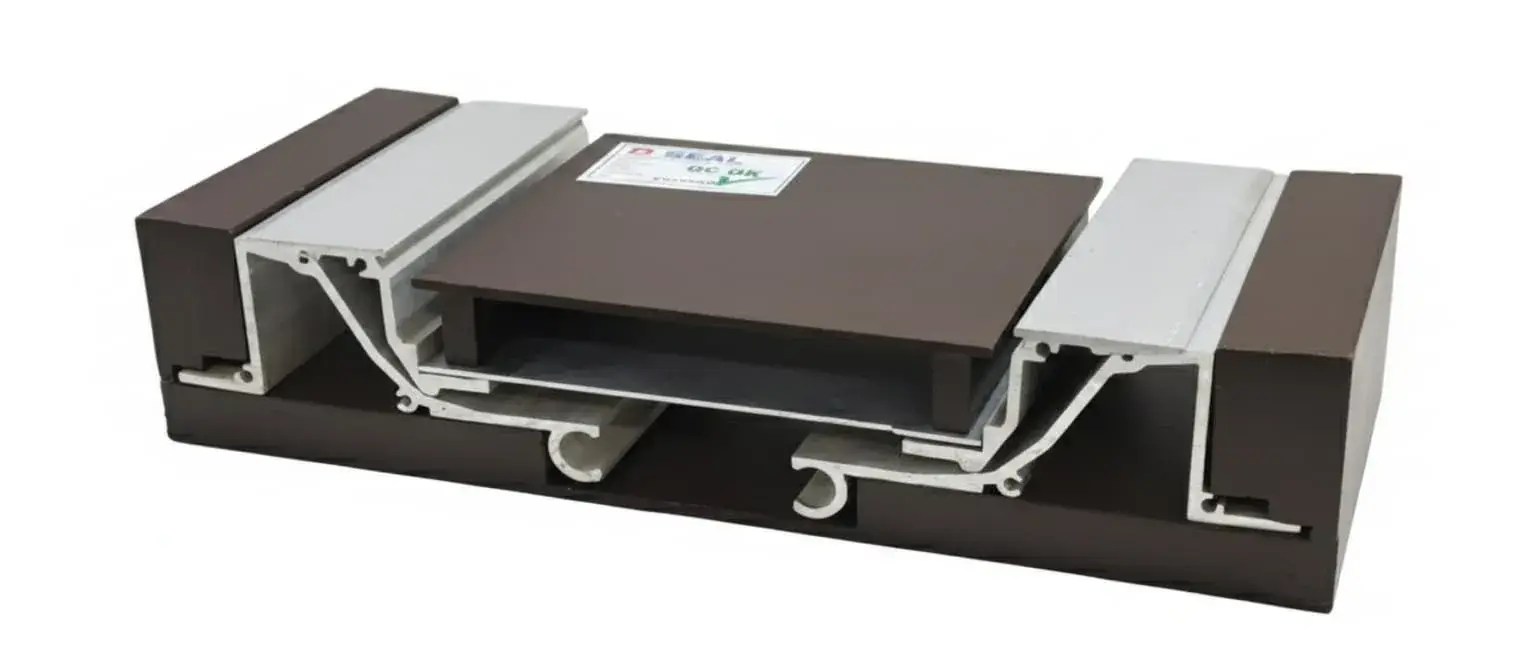
HorizonGuard
Seismic horizontal joint system using a sealant-and-backer-rod arrangement to absorb floor-to-floor movement.
View Product →
GatewaySeal
Floor expansion joint (GFT series) for a 60 mm gap and 35 mm height — pre-drilled aluminium angles with an interchangeable nitrile insert.
View Product →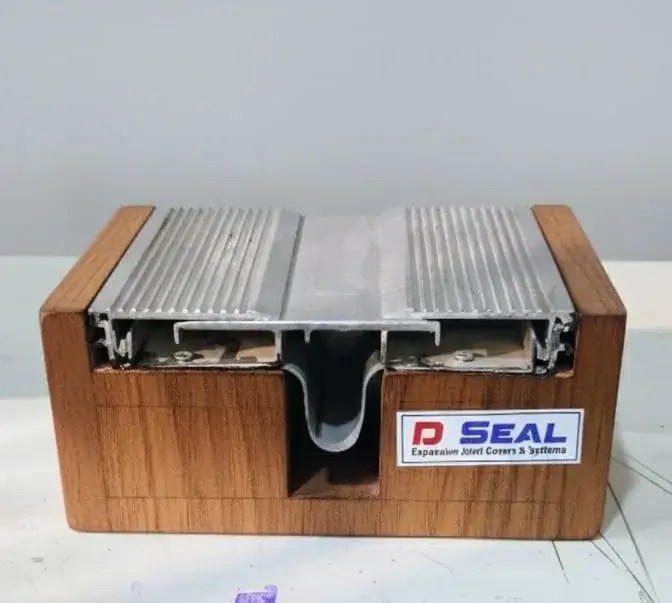
JointMaster
Heavy-duty aluminium recess-mounted floor joint cover with a free-floating centre plate — for interior and exterior use with some vehicular access.
View Product →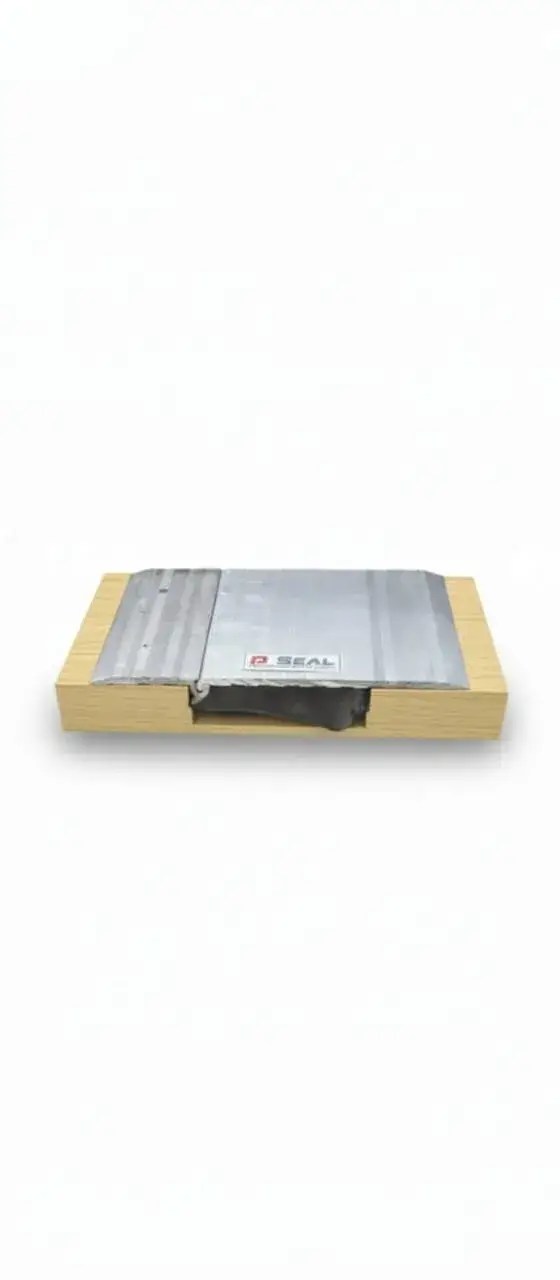
NovaLink
Hinged floor expansion joint cover for uneven slabs — a single hinged plate that handles pedestrian and heavy-duty loads.
View Product →