Seismic · Horizontal Joint
Dseal HorizonGuard
HorizonGuard is a seismic horizontal joint system that uses a sealant-and-backer-rod arrangement to absorb floor-to-floor movement, delivering a flexible, watertight seismic joint.
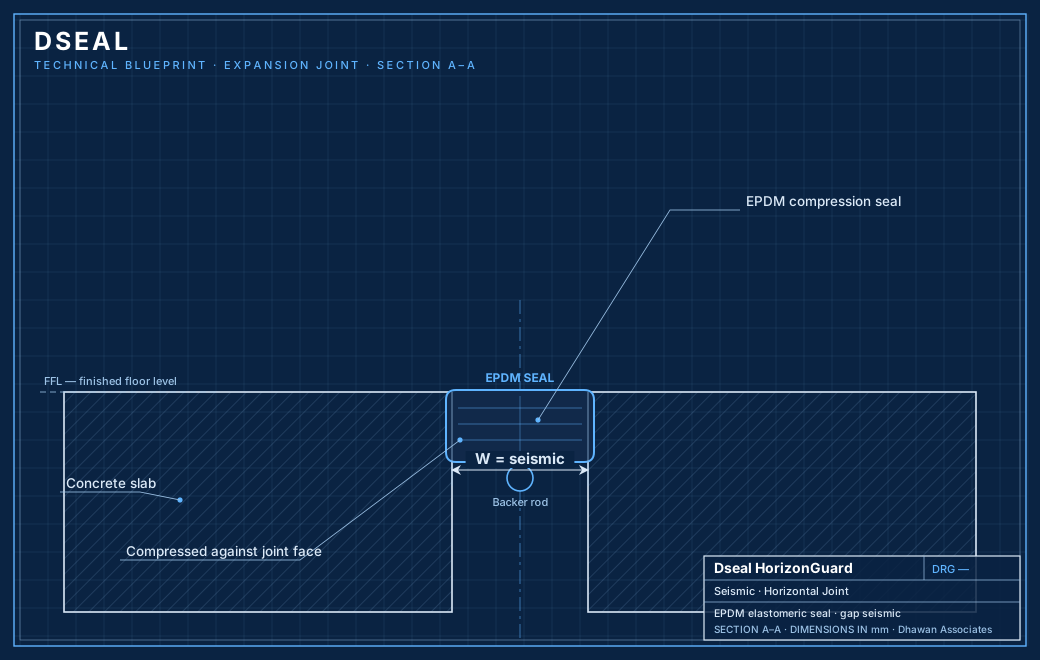
Click image to zoom · 2D blueprint, 3D render & product photo
HorizonGuard is a seismic horizontal joint system that uses a sealant-and-backer-rod arrangement to absorb floor-to-floor movement in seismic conditions. It is installed in horizontal joint conditions where adjacent floor levels must move relative to one another during a seismic event.
HorizonGuard provides a flexible, watertight seal across the joint. The backer rod sets the sealant depth and supports the flexible sealant, which stretches and compresses to accommodate seismic horizontal movement while keeping the joint sealed.
Key Benefits
- Sealant-and-backer-rod system absorbs floor-to-floor movement
- Flexible seal stretches and compresses with seismic movement
- Watertight joint helps keep moisture out
- Suited to horizontal joint conditions in seismic buildings
- Straightforward sealant-based installation
- Manufactured and supported across India by Dseal
Applications
- Floor-to-floor horizontal joints in seismic buildings
- Multi-storey towers requiring seismic floor separation
- Hospitals and institutional buildings in seismic zones
- Commercial and mixed-use developments
- Parking structures with horizontal movement joints
- Any horizontal joint needing a flexible, watertight seismic seal
Features & Construction
- Seismic horizontal joint using sealant and backer rod
- Flexible sealant accommodates floor-to-floor movement
- Backer rod sets sealant depth and profile
- Watertight seal across the horizontal joint
- Designed for seismic horizontal movement conditions
Technical Specifications
| Type | Seismic horizontal joint |
|---|---|
| System | Sealant + backer rod |
| Application | Floor-to-floor (seismic) |
Installation Guide
- Confirm the horizontal joint width and seismic movement range
- Clean the joint faces and ensure they are dry and sound
- Insert the backer rod to the correct depth in the joint
- Apply primer to the joint faces if specified
- Apply the flexible sealant over the backer rod to fill the joint
- Tool the sealant to the required profile for a watertight finish
- Allow the sealant to cure and inspect for a continuous seal
Maintenance & Care
HorizonGuard should be inspected periodically to confirm the sealant remains intact, flexible and bonded to both joint faces, with no gaps or splits that could admit water. Inspect particularly after seismic activity.
Where the sealant has aged, cracked or lost adhesion, the backer rod and sealant can be removed and re-applied to restore the watertight seal. Contact Dseal (Dhawan Associates) for compatible sealant and backer-rod specifications and guidance.
FAQs
HorizonGuard — Frequently Asked Questions
What is HorizonGuard?
HorizonGuard is a seismic horizontal joint system from Dseal that uses a sealant-and-backer-rod arrangement to absorb floor-to-floor movement while keeping the joint watertight.
How does HorizonGuard work?
A backer rod sets the depth of a flexible sealant, which stretches and compresses to accommodate horizontal seismic movement between floor levels while sealing the joint.
What movement does HorizonGuard accommodate?
HorizonGuard accommodates seismic horizontal, floor-to-floor movement, flexing with the displacement that occurs during a seismic event.
Is HorizonGuard watertight?
Yes. The flexible sealant forms a watertight seal across the joint, helping keep moisture out while still allowing seismic movement.
What is the backer rod for?
The backer rod sets the correct sealant depth and profile and supports the sealant, ensuring it performs and flexes properly across the joint.
Where is HorizonGuard used?
HorizonGuard is used at floor-to-floor horizontal joints in seismic buildings such as multi-storey towers, hospitals and parking structures.
Can HorizonGuard be used on vertical joints?
HorizonGuard is designed for horizontal seismic joints; for vertical or wall conditions, Dseal offers other systems such as JointShield-V.
How do I maintain HorizonGuard?
Inspect the sealant periodically for intact, flexible adhesion with no splits or gaps, especially after seismic activity, and re-apply the sealant and backer rod if it has aged.
What standards apply to HorizonGuard?
Dseal supplies HorizonGuard under ISO 9001:2015, ISO 14001:2015 and ISO 45001:2018 certified processes, with materials selected to suit seismic horizontal joint performance.
How is HorizonGuard different from SeismoMax?
HorizonGuard is a sealant-and-backer-rod horizontal joint for floor-to-floor movement, while SeismoMax is a full seismic joint system for large multi-directional movement.
How does HorizonGuard compare to JointShield?
HorizonGuard uses a flexible sealant for horizontal floor-to-floor joints, whereas JointShield is a wall-to-wall seismic cover with an integral water barrier.
Are custom specifications available for HorizonGuard?
Yes. Dseal can specify HorizonGuard's sealant and backer rod to your joint width and seismic movement range; contact Dhawan Associates with your details.
Does HorizonGuard provide a fire or acoustic barrier?
HorizonGuard is the sealant-based watertight system; where fire or acoustic separation is needed at the joint, Dseal can advise on compatible barrier accessories.
How long does the HorizonGuard sealant last?
Service life depends on the sealant, exposure and movement, so periodic inspection is recommended; Dseal can advise on the expected service interval and re-sealing.
Who manufactures HorizonGuard?
HorizonGuard is supplied and supported in India by Dhawan Associates under the Dseal brand.
Where can I buy HorizonGuard in India?
HorizonGuard is available directly from Dseal (Dhawan Associates) across India. Call +91 93109 97953 to discuss your horizontal seismic joint.
Explore More
Related Products
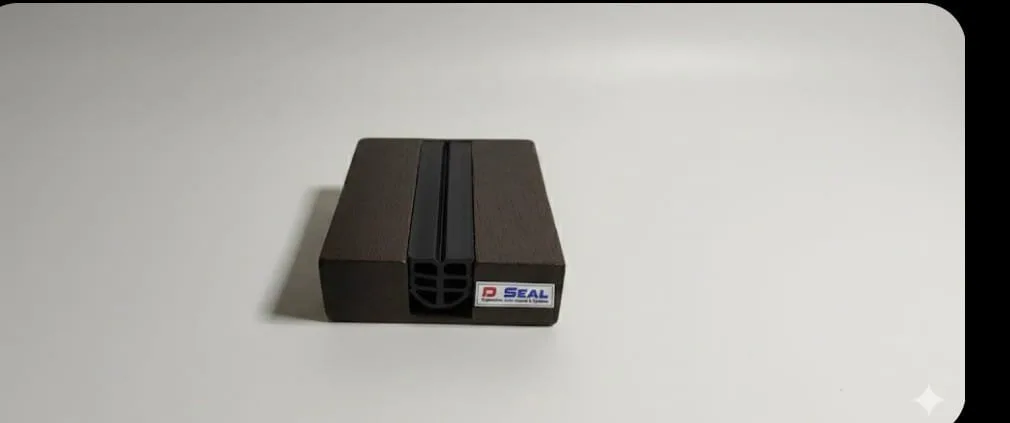
SealMaster-H
Horizontal EPDM compression seal system — a masterful solution for floor and wall sealing.
View Product →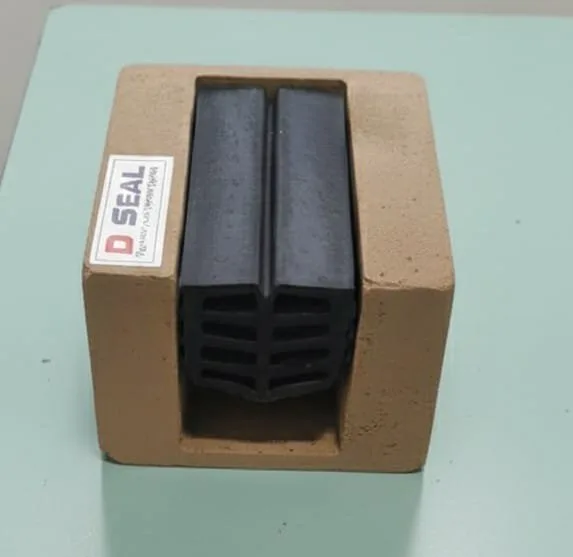
SealMaster-HV
EPDM compression seal for both horizontal and vertical joints — unaffected by water, oil or chemicals, for gaps up to 120 mm.
View Product →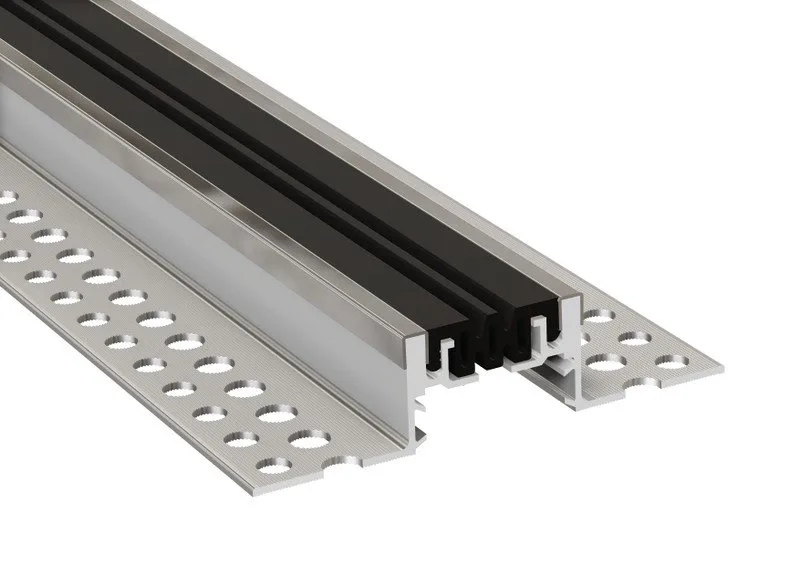
DuraEdge Seal
EPDM wall seal (JD series) focused on durability and edge protection for wall-to-wall movement joints.
View Product →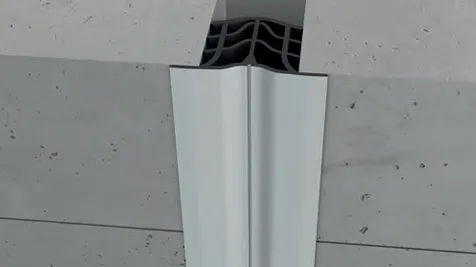
EnduroSeal
Wall-to-wall EPDM compression seal with collar — quick-fit flexible rubber strips, perfect for refurbishments.
View Product →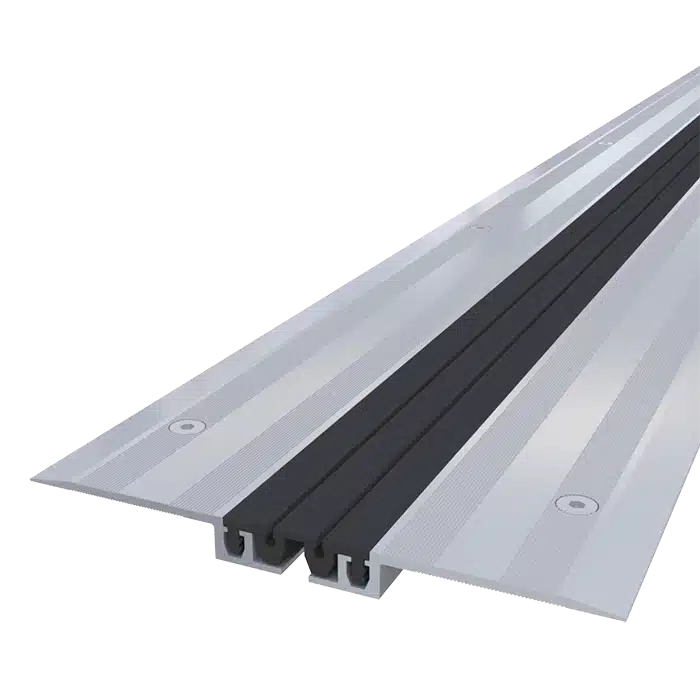
TrafficFlex Seal
Floor-to-floor EPDM seal engineered for traffic-heavy horizontal expansion joints.
View Product →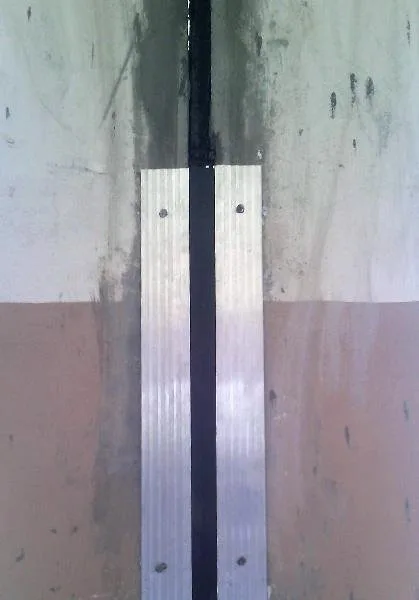
Vertical Compression Seal
D-type EPDM compression seal designed specifically for vertical movement joints in walls and facades.
View Product →