Concrete Reinforcement
Dseal Fibremesh
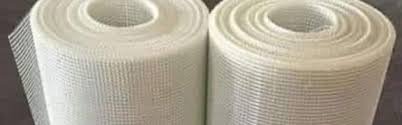
Dseal Fibremesh is a corrosion-resistant fibre mesh reinforcement, supplied as tapes and rolls, that disperses discrete fibres throughout concrete and plaster to control micro-cracking — a homogeneous, easy-to-use alternative and supplement to traditional steel rebar and welded wire mesh.
What is Dseal Fibre Mesh?
Dseal Fibre Mesh is a reinforcement system built from discrete fibres — made from glass, steel, synthetic polymers or natural materials — that are distributed uniformly within a matrix such as concrete or plaster. Rather than relying on a single layer of steel rebar or welded wire mesh placed at one plane, these fibres are dispersed throughout the entire section, delivering more homogeneous reinforcement and markedly improved control of micro-cracking as the matrix cures and carries load.
Manufactured by Dhawan Associates and supplied in convenient tapes and rolls, Dseal Fibre Mesh serves as both an easy-to-use alternative and a complementary supplement to conventional steel reinforcement. Because the fibres resist corrosion, they are well suited to thin sections, overlays and decorative work where steel would be difficult to place or prone to rusting.
Material Types
Types of Dseal Fibre Mesh
Synthetic Fibres
Polypropylene micro- and macrofibres, polyester mesh and nylon — lightweight, chemically stable fibres ideal for controlling plastic-shrinkage cracking in slabs, screeds and renders.
Glass Fibres
Alkali-resistant (AR) glass fibres engineered to survive the alkaline environment of cement. They add tensile strength and impact resistance to thin precast and decorative elements without corroding.
Steel Fibres
High-strength steel fibres distributed through the concrete to enhance flexural and post-crack performance — suited to industrial floors, shotcrete and heavy-duty overlays.
Natural Fibres
Sustainable fibres including cellulose, coconut, sisal and jute — renewable materials that provide effective crack control for plasters, overlays and eco-conscious work.
Applications
The versatility of Dseal Fibre Mesh makes it suitable across a wide range of building and finishing applications, from structural slabs to fine decorative work:
- Concrete reinforcement for slabs, screeds and floors
- Decorative concrete and architectural finishes
- Plastering and rendering, for improved crack control
- Shotcrete and sprayed concrete works
- Precast elements and panels
- Overlays and topping layers
- Gypsum-board reinforcement
- Marble backing and stone support
Benefits
By dispersing reinforcement throughout the matrix rather than at a single plane, Dseal Fibre Mesh delivers a balanced combination of performance, durability and on-site convenience:
- Enhanced crack resistance through better micro-crack control
- Improved long-term durability of the finished element
- Greater impact resistance under service loads
- Reduced shrinkage during curing
- Corrosion resistance, with no risk of rust staining
- Easy handling and simpler placement on site
- Cost-effectiveness compared with traditional reinforcement
- Design flexibility for thin and complex sections
- Sustainability, particularly with natural-fibre options
FAQs
Frequently asked questions
What is fibre mesh used for in concrete?
Fibre mesh reinforces concrete and plaster by dispersing discrete fibres throughout the matrix. This controls micro-cracking, reduces shrinkage and improves durability and impact resistance, acting as an alternative or supplement to traditional steel rebar and welded wire mesh.
Can Dseal Fibre Mesh replace steel rebar?
It works as both an alternative and a supplement to steel reinforcement. For many slabs, overlays, renders and decorative applications it can replace welded wire mesh, while in structural elements it is often used alongside conventional reinforcement. The right approach should be confirmed by your project engineer.
Which type of fibre should I choose?
Synthetic polypropylene fibres suit shrinkage control in slabs and renders; alkali-resistant glass fibres suit thin precast and decorative work; steel fibres suit heavy-duty floors and shotcrete; and natural fibres suit eco-conscious plasters and overlays. Our team can advise on the most suitable option.
Will fibre mesh corrode like steel?
No. Dseal Fibre Mesh is corrosion-resistant, which is one of its key advantages over steel. This makes it especially valuable in thin sections, decorative finishes and exposed conditions where steel would be at risk of rusting and staining.
How is Dseal Fibre Mesh supplied?
It is manufactured by Dhawan Associates and supplied as easy-to-use tapes and rolls, making it straightforward to handle, transport and incorporate into concrete, plaster and finishing works on site.
Fibremesh Supply
Reinforce with Dseal Fibre Mesh
Talk to our team about the right fibre mesh for your concrete reinforcement, plastering or precast project.